
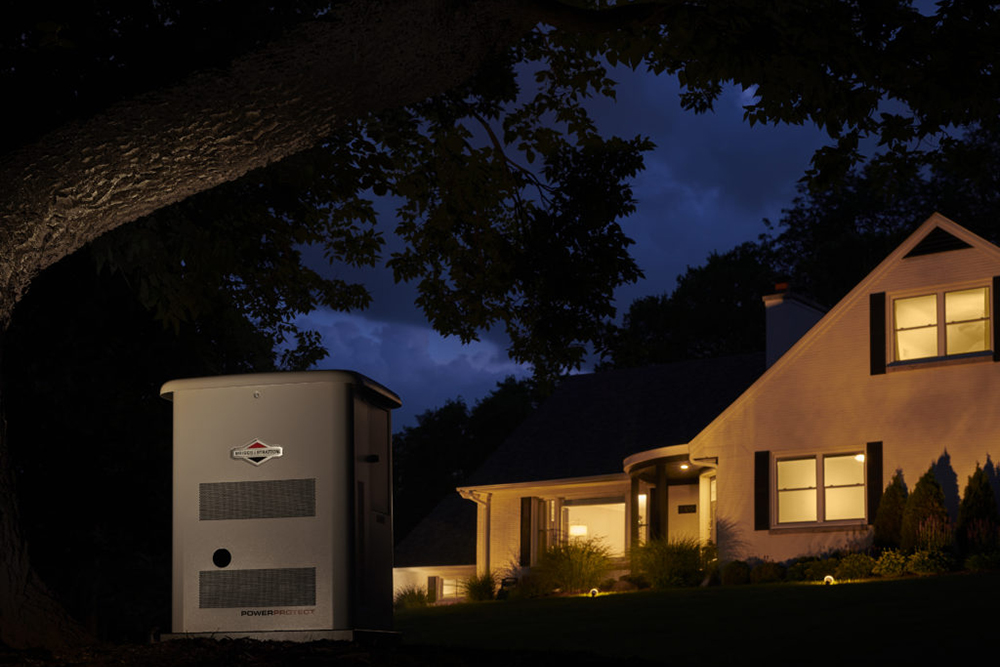
Houston is built for scale and extremes. It’s a city where massive refineries can sit not-too-far from residential neighborhoods, where summer heat pushes infrastructure to its limits, and where weather can shift from calm to disruptive in a matter of hours. Thunderstorms here can often be powerful enough to knock out substations. And hurricanes aren’t an abstract risk, they’re named, tracked, and planned around. Power reliability is part of daily life in a way it simply isn’t in many other parts of the country.
That reality shows up fast when the grid goes down. Air conditioning stops. Refrigeration becomes a concern. Medical devices, security systems, point-of-sale terminals, and data equipment all go dark at once.
Without whole home standby generators installed, short outages can create cascading problems, and longer ones turn into logistical headaches that affect comfort, safety, and business continuity all at the same time.
A permanently installed home generator provides automatic, dependable power the moment utility service drops. There’s no scrambling for extension cords, no fuel runs in bad weather, and no guesswork about what will or won’t stay online. The system is designed to respond instantly, supplying electricity to critical circuits or entire buildings depending on how it’s configured.
Professional generator installation by licensed Houston electricians plays a critical part. A properly installed generator has to account for local permitting, load calculations, transfer switches, fuel supply, and Houston-specific electrical codes. When done right, the system integrates cleanly with your home or facility, operates safely, and works exactly as intended when conditions are at their worst.
For homeowners, that means keeping cooling, lighting, refrigeration, and essential systems running through storms and outages. For businesses, it means protecting operations, inventory, and customer trust when the grid fails. In a city where outages are predictable, even if the timing isn’t, reliable backup power has become part of responsible planning.
The sections ahead break down why professionally installed generators matter, how the installation process works, and what to consider when deciding on the right system for your property.
The Unique Need for Generators in Houston
Power outages in Houston are driven by a combination of severe weather, aging infrastructure, and a grid that’s routinely pushed hard during peak heat and storm seasons. When outages happen, they don’t tend to be short, isolated blips. Rather, they often affect wide areas at once and can last far longer than people expect.

Houston’s weather is the common denominator. Hurricanes bring flooding, wind damage, and prolonged utility disruptions. Severe thunderstorms knock out transmission lines and substations in minutes. Extreme summer heat strains the grid even on clear days, increasing the likelihood of failures when demand spikes. None of this is theoretical for Houston residents—it’s experienced firsthand, year after year.
When the power drops, the impact is immediate:
- Homes lose air conditioning in dangerous heat.
- Refrigerators stop cooling.
- Internet and wifi boosters shut down.
- Garage doors, security systems, and medical devices all depend on electricity.
What starts as an inconvenience quickly turns into a safety and comfort issue, especially for families with children, elderly residents, or anyone relying on powered equipment.
The stakes can sometimes be even higher when it comes to standby generators for businesses. Without backup power, restaurants lose refrigeration and food inventory. Retailers can’t process transactions. Offices lose data access and communications. Service-based businesses are forced to shut down entirely, even if the outage lasts only a day or two. In many cases, the financial hit from a single extended outage outweighs the cost of installing backup power in the first place.
Critical services face the same risks. Healthcare facilities, emergency response operations, and support infrastructure depend on continuous power to function properly. While large institutions often have backup generators installed, smaller clinics, assisted living facilities, and local service providers may not—leaving gaps that become obvious only after the lights go out.
As storms become more intense and grid stress becomes more common, planning for power continuity has shifted from precaution to practicality. A permanently installed generator provides a controlled, automatic response when utility power fails. Instead of reacting to outages, homeowners and businesses stay operational through them.
Whole Home Standby Generators
How They Work
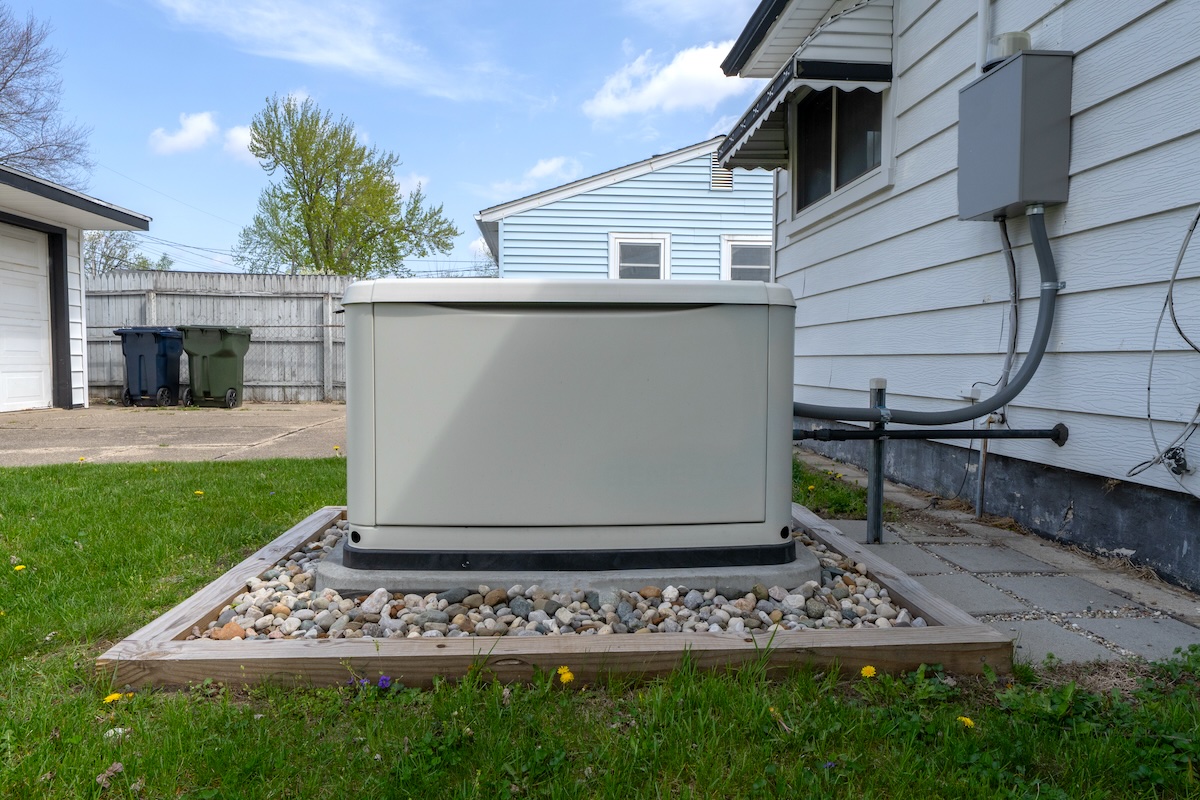
At their core, whole home and standby generators are engineered systems designed to produce electricity independently of the utility grid. Their purpose is straightforward: when incoming power drops or disappears entirely, the generator takes over and supplies electricity without requiring manual intervention. Unlike portable units, standby generators are permanently installed, hardwired into the electrical system, and built to operate reliably for extended periods.
A standby generator system is made up of several coordinated components working together. The generator itself produces power, but the system also includes an automatic transfer switch, a fuel supply, control electronics, and safety mechanisms that ensure power is delivered correctly and without risk to people or equipment.
The fundamental science behind generator operation hasn’t changed much since it was first understood in the 19th century. Generators rely on electromagnetic induction, the principle identified by Michael Faraday, which describes how electrical current is produced when a conductor moves through a magnetic field. Modern generators refine and control this process with precision.
The process starts with mechanical energy. In residential standby generators, that energy typically comes from an internal combustion engine powered by natural gas or propane. Some commercial systems use diesel, depending on scale and application. When the engine runs, it turns a central shaft connected to a rotating assembly called the rotor.
The rotor spins inside the stator, which contains stationary coils of conductive wire arranged around a magnetic field. As the rotor moves through that field, it causes electrons in the stator’s windings to move. This movement generates electrical current through electromagnetic induction. The faster and more consistently the rotor spins, the more stable the electrical output becomes.
The electricity produced is alternating current (AC), matching the type of power delivered by utility companies. Internal regulators and control modules manage voltage and frequency to keep the output within tight tolerances, protecting appliances, electronics, and sensitive equipment from fluctuations.
One of the main things that separates standby generators compared to simpler portable units is automation and integration:
When utility power fails, the automatic transfer switch
detects the interruption almost instantly.
It disconnects the building from the grid, starts the generator,
and routes power to selected circuits or the entire structure.
When utility service is restored and stabilized, the system
reverses the process, shuts the generator down, and
reconnects to grid power without user involvement.
Because these systems are permanently installed and tied directly into the electrical panel, proper design and installation are important. Load calculations determine how much power the generator must produce. Fuel supply sizing affects runtime and reliability. Control logic ensures smooth transitions and safe operation. When everything is designed and installed correctly, the generator behaves less like an emergency device and more like an invisible backup utility—only noticeable when it quietly does exactly what it’s supposed to do.
Features
Standby generators are purpose-built systems designed for long-term reliability and automatic operation. Their defining difference from portable generators isn’t just size—it’s how deeply they integrate into a home or building’s electrical and fuel infrastructure. Once installed, they function as a permanent part of the property rather than an emergency workaround.
Automatic Operation
One of the most important features of a standby generator is automatic response. These systems are paired with an automatic transfer switch that continuously monitors incoming utility power. When voltage drops or power is lost, the switch reacts within seconds. It disconnects the property from the grid, starts the generator, and transfers electrical load without requiring any action from the homeowner or staff.
In real outage scenarios, this speed matters. Sudden blackouts during storms can damage electronics, interrupt medical equipment, or shut down climate control systems at the worst possible moment. Automatic transfer prevents that gap. Power restoration happens fast enough that many occupants only notice the outage by the sound of the generator starting up outside.
Fuels
Standby generators typically run on natural gas or propane rather than gasoline. In Houston, natural gas is especially common because it allows the generator to draw fuel directly from an existing utility line. That connection eliminates the need for refueling during an outage and allows the system to run continuously for as long as fuel supply remains available.
This becomes critical during extended outages caused by hurricanes or widespread storm damage. Gasoline shortages, closed roads, and unsafe refueling conditions can quickly make portable generators impractical. A fixed fuel source removes that variable entirely and allows the generator to operate as long as necessary.
Capacity
Standby generators are designed to carry substantially higher electrical loads than portable units. Depending on system size and configuration, they can power an entire home or facility, including high-demand systems like central air conditioning, electric heating elements, refrigeration, sump pumps, and security infrastructure.
In Houston’s climate, air conditioning systems often represent the largest electrical load in a home, and during summer outages, indoor temperatures can rise quickly. A standby generator sized correctly for the property can keep cooling systems running normally, along with lighting, appliances, and critical electronics. For businesses, that same capacity protects inventory, data systems, and operations that cannot tolerate downtime.
Noise Level and Emissions
Modern standby generators are engineered to operate at lower noise levels than older designs and many portable units. Sound-dampened enclosures, improved engine design, and optimized exhaust systems reduce operational noise, making them suitable for residential neighborhoods.
Emissions are also more tightly controlled. Natural gas and propane burn cleaner than gasoline or diesel, and standby generators are built to meet current emissions standards. This makes them more environmentally manageable and less disruptive to surrounding areas during extended operation.
Weather Resistance
Houston’s weather presents a demanding operating environment. Standby generators are built with that reality in mind. Their enclosures are designed to resist heat, heavy rain, humidity, and wind-driven debris. Internal components are sealed and protected to prevent corrosion, moisture intrusion, and mechanical failure.
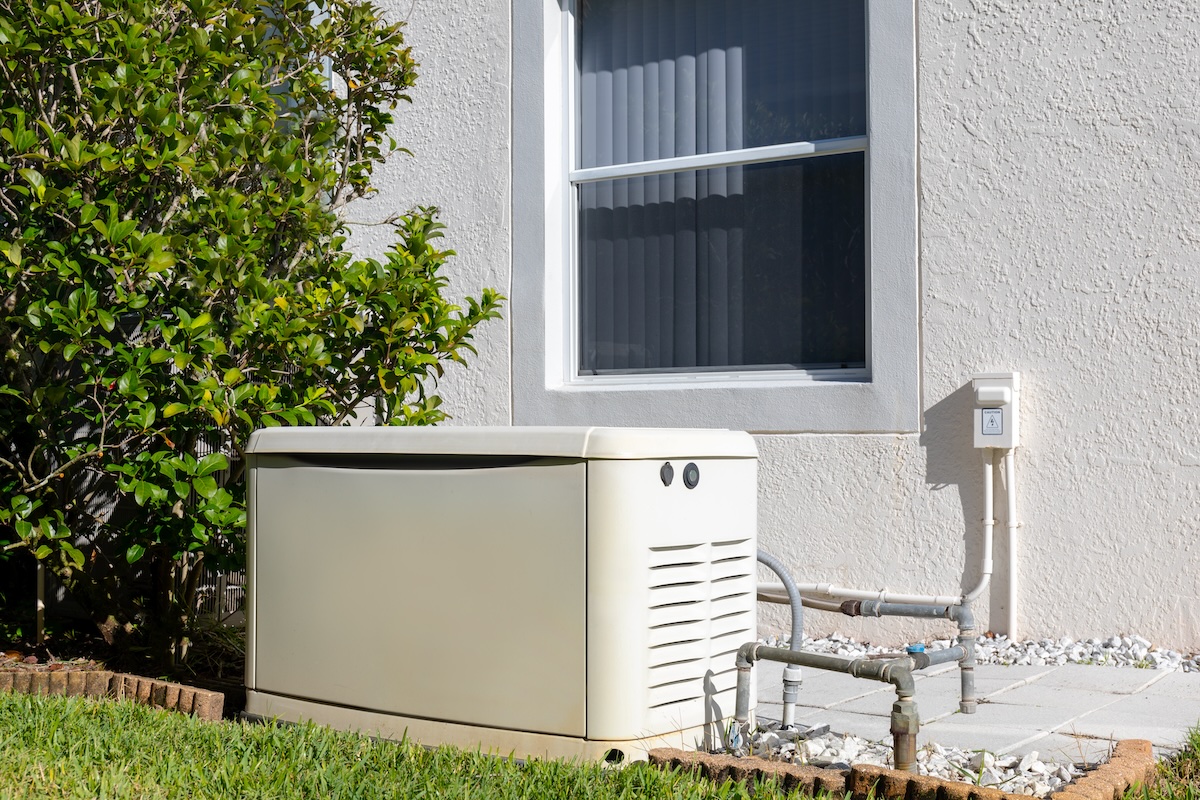
These systems are installed outdoors on reinforced pads and rated for continuous exposure to the elements. When storms arrive and conditions deteriorate, the generator is expected to perform without protection or intervention. That durability is a core part of what separates standby systems from temporary or portable solutions.
Taken together, these features make whole home and standby generators a long-term infrastructure upgrade rather than an emergency accessory. They’re designed to respond instantly, run continuously, and operate safely under the same conditions that cause outages in the first place.
Choosing a Home Generator
Selecting a standby generator is less about brand names and more about matching the system to how a property actually uses power. In Houston, outages tend to be wide-area and longer than expected, which means the generator has to be sized, fueled, and integrated correctly from the start. Guessing here is how people end up with systems that look good on paper and disappoint when they’re needed.
Generator Size & Power Capacity
Generator size determines how much electrical load the system can support at once. This is the single most important technical decision in the process.
A properly sized standby generator can:
- Support central air conditioning
- Keep refrigeration and freezers running
- Power lighting, outlets, and electronics
- Maintain security systems, medical devices, and pumps
An undersized generator struggles under load, leading to breaker trips, voltage instability, or forced shutdown of major systems. An oversized generator increases upfront cost and can operate inefficiently if it never reaches an appropriate load range.
Sizing should be based on:
- Actual connected loads, not appliance labels alone
- Which circuits must remain active during outages
- Whether the system is intended to power the entire property or only selected circuits
Fuel Type Considerations
Standby generators typically run on natural gas or propane, with diesel reserved for larger commercial or industrial applications. The right fuel choice depends on availability, runtime expectations, and site conditions.
- Natural Gas
- Direct connection to utility supply
- No refueling during outages
- Well suited for extended blackouts
- Common in many Houston neighborhoods
- Propane
- Reliable alternative where gas lines aren’t available
- Requires onsite tank storage
- Runtime depends on tank size and monitoring
Fuel choice affects installation design, maintenance requirements, and how long the system can run continuously. This decision should be made early, not treated as an afterthought.
Intended Use & System Scope
Not every property needs the same level of backup power. Clarifying how the generator will be used helps avoid overbuilding or underbuilding the system.
Common use cases include:
- Emergency backup for essential home systems
- Full home power continuity during outages
- Commercial operation support for refrigeration, POS systems, or data access
- Mixed-use needs where certain circuits are prioritized over others
A home with multiple HVAC units and electric appliances has very different requirements than a small business focused on refrigeration or network uptime. The generator should be designed around those realities, not generic assumptions.
How Houston Electricians Guide Generator Selection & Installation
Licensed Houston electricians don’t only install generators, they shape the system so it works reliably under local conditions and code requirements.
Load Assessment & Capacity Planning
Electricians evaluate the electrical system to determine realistic power needs. This includes:
- Reviewing main panels and subpanels
- Identifying critical and noncritical circuits
- Calculating starting and running loads for major equipment
This analysis drives generator size, transfer switch configuration, and whether load management is required.
Fuel Type & Site Evaluation
Electricians assess:
- Available fuel sources
- Clearance and placement requirements
- Ventilation and exhaust considerations
- Local permitting and electrical code compliance
These factors influence which generator models are viable and how the system must be installed to operate safely.
Installation & Electrical Integration
Once the system is selected, electricians handle full integration, including:
- Installing the automatic transfer switch
- Wiring the generator to the main electrical panel
- Configuring circuit prioritization
- Ensuring safe isolation from the utility grid
Proper installation prevents backfeeding, protects utility crews, and ensures seamless transitions during outages.
Maintenance
A standby generator is only useful if it starts when needed. Ongoing service typically includes:
- Scheduled testing and inspections
- Fuel system checks
- Battery and control system evaluation
- Troubleshooting before failures become outages
With regular maintenance, the generator becomes a dependable part of the property’s infrastructure rather than a device you hope works when conditions get bad.
Choosing the Right Houston Electrician to Install Your Generator
A standby generator is only as reliable as the system behind it, and that reliability starts with who installs it. Even the best equipment can underperform, fail prematurely, or create safety risks if it’s installed without proper planning and experience. Choosing the right Houston electrician is a critical step in making sure your backup power system actually works when it’s needed.
Generator installation isn’t generic electrical work. It requires familiarity with load calculations, transfer switches, fuel coordination, permitting, and local code requirements. An electrician who regularly installs generators understands how these systems behave during real outages, not just how they look on paper.
What to Look For in a Generator Installation Electrician
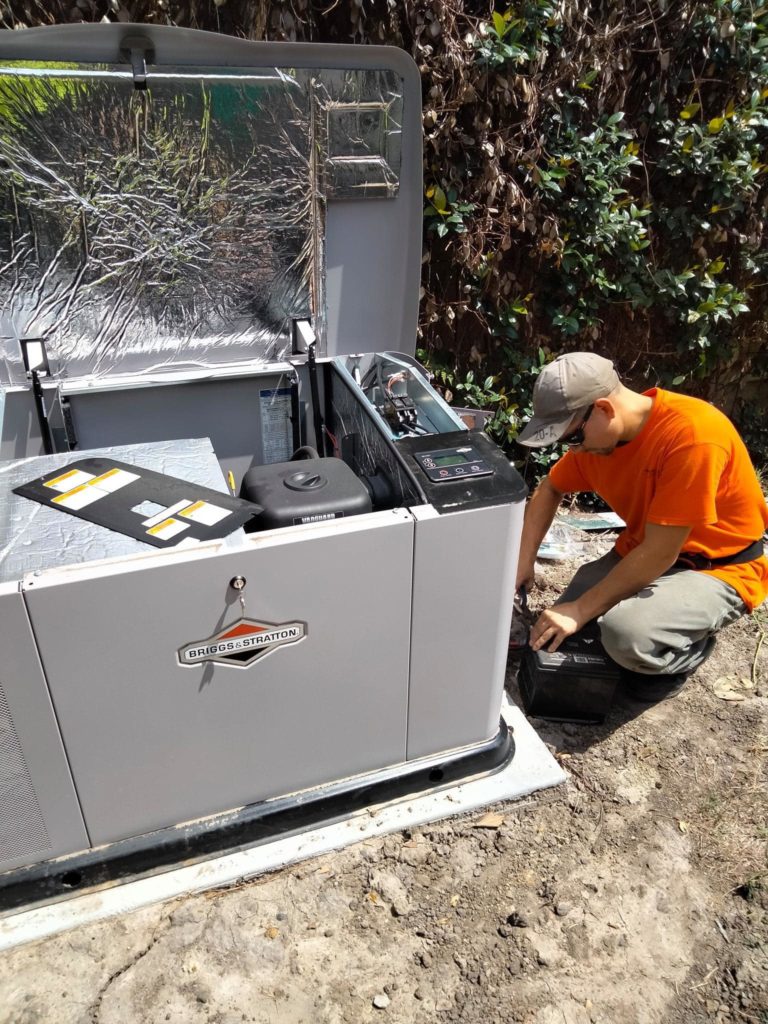
Licensing, Insurance, and Relevant Experience – Start with the basics. The electrician should be fully licensed and insured, with documented experience installing standby generators—not just general electrical projects. Generator systems introduce additional risks and responsibilities, including grid isolation, fuel integration, and automated switching. Experience in this specific area matters.
Reputation and Local Track Record – Reviews and recommendations help reveal how an electrician operates once the job starts. Look for consistent feedback that mentions reliability, communication, and follow-through, not just price. Local referrals are especially useful because they reflect familiarity with Houston permitting, inspections, and common site conditions.
Clear Communication and Technical Transparency – A qualified electrician should be willing to explain how the system will work, what circuits will be powered, how the transfer switch operates, and what maintenance will be required after installation. If someone avoids details or rushes past questions, that’s a signal worth paying attention to. Generator installations should feel deliberate, not hurried.
Peace of Mind with a Properly Installed Backup Power System
A professionally installed generator provides more than electricity. It provides predictability during outages. When the system is designed and installed correctly, power transitions happen automatically, loads remain stable, and safety systems operate exactly as intended.
A local electrician plays a central role in that outcome. They ensure the installation meets electrical codes, passes inspection, and aligns with how the property actually uses power. That includes proper grounding, correct transfer switch placement, and coordination with fuel providers when required.
Key Details to Confirm Before Installation
- Generator Size and Configuration – Make sure the electrician understands your priorities. Discuss which systems must stay online during an outage and which ones can remain offline. That conversation drives generator sizing and circuit selection and helps avoid unpleasant surprises later.
- Permits and Inspections Electrical and generator installations typically require permits. A qualified electrician handles this process and schedules inspections as part of the job, ensuring the system is compliant and approved.
- Written Scope and Agreement – Before work begins, get everything in writing. A clear agreement should outline the scope of work, equipment being installed, materials, timeline, and total cost. This protects both sides and keeps expectations aligned throughout the project.
Choosing the right Houston generator installers means knowing that when the sky turns green, the wind starts screaming, and the lights blink out, the system just does what it’s supposed to do. Because in H-Town, power grid outages aren’t rare surprises. They’re part of the deal.
When the power goes out, the generator should start. The loads should stay stable. The systems you care about should keep running. If you picked the right electrician to install the home generator, that’s exactly what happens—and you don’t think about it again until the next outage reminds you why the install was worth doing right.