
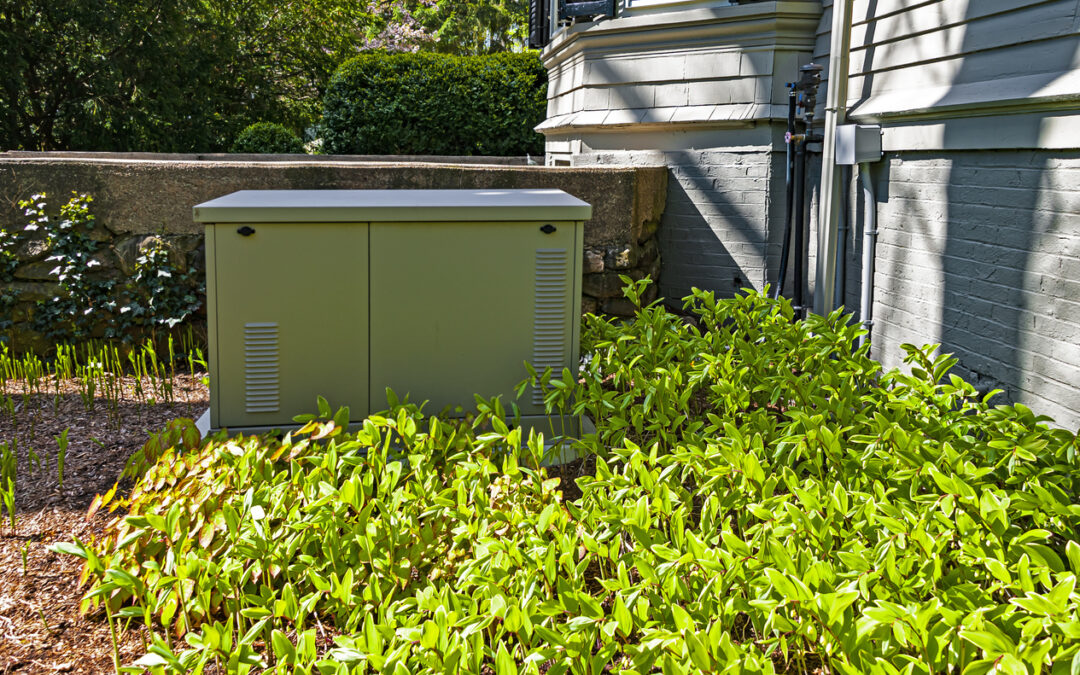
When the grid stumbles due to storms, heat waves, or routine maintenance, your backup plan should deliver without drama. This guide covers selecting the right system, sizing it correctly, connecting it safely, and keeping it ready.
1) Decide the path: portable stopgap or permanent standby
For short outages a portable unit can keep a few essentials alive, but most households and small businesses eventually prefer a set-and-forget whole home standby system that starts automatically and uses your existing fuel supply. If you are mapping out a home project, start with this comprehensive home standby generator guide and review the scope of a professional install on the Residential standby generator page. Planning for a shop, office, or light industrial site calls for different decisions such as single versus three phase service and longer runtime; see the Commercial generator services overview.
2) Size it to your loads and to your tolerance for downtime
A generator that is too small can trip offline and one that is too large wastes money and fuel. Right sizing starts with two decisions:
- Essential circuits versus whole home coverage. Decide what must stay on such as HVAC blower, refrigerators, sump pump, and networking gear, and whether you will run big draws like an oven or EV charger during an outage.
- Starting surge capacity. Motors such as air conditioning and well pumps can draw 2 to 6x their running wattage at startup, so the system must handle brief peaks.
Use this step by step explainer to estimate capacity and speak the same language as your installer: what size generator do you need. For a deeper installation checklist including transfer switches and service panels, see the standby generator installation guide.
3) Choose your fuel: propane, natural gas, or diesel
Each fuel has its own tradeoffs for cost, availability, storage, and emissions. If you already have natural gas, continuous runtime and convenience are strong advantages. In rural areas propane offers on site resilience with predictable storage. Diesel is common for heavier duty and many commercial systems. For details compare options here: generator fuel options diesel natural gas propane.
4) Make the handoff seamless and safe with the right transfer switch
The transfer switch safely separates your building from the utility before the generator energizes circuits. Automatic transfer switches make standby systems truly hands off. If you are weighing equipment, wiring configurations, or a manual solution for a portable unit, read transfer switch options for seamless power. When you are ready for a turnkey project including permits, pad, fuel tie in, and commissioning, review the installation and services overview.
5) Do not set it and forget it: monitor and maintain
Routine maintenance and remote monitoring catch common failure points long before storm season. Learn how connected systems track fuel level, battery health, and alerts in this guide to remote monitoring and control. For professional plans that cover exercise cycles, oil and filters, and periodic load testing, see 24/7 monitoring and maintenance services.
6) Account for local codes, flood zones, and weather
Local conditions change design choices such as pad style, anchoring, clearances, and enclosure. Permits and utility coordination also vary by city. For a real world walk through from a major metro, see generator installers in Houston. If your site is flood prone, elevation is essential; the services page outlines elevation and relocation options.
7) Fold backup power into a broader emergency plan
A generator is one pillar of resilience, not the whole structure. Pair backup power with communications, medical device planning, refrigeration, and a simple checklist so your household or team can operate under stress. Use this overview to connect the dots: generators and disaster preparedness plans.
8) Keep one eye on the horizon
Cleaner fuels, quieter enclosures, smarter controls, and integration with storage continue to evolve. If you are installing a system you expect to run for 10 to 15 years, skim what is next for generators so you pick gear that will age well.
From plan to project: your next step
- For homes: outline must run circuits and explore options on the Residential standby generator page then request a site visit.
- For businesses: align uptime goals with sizing and maintenance on the Commercial power continuity page.
- For an all inclusive approach: review turnkey installation, remote monitoring, maintenance, repair, relocation, and elevation.
Preparation pays off when the next outage hits. The generator starts, the transfer is smooth, and your life or business keeps moving.