

Introduction
Power outages are unpredictable, and in many parts of the country, they’re becoming more frequent and lasting longer than they used to. Between severe weather, grid maintenance, and aging infrastructure, it doesn’t take much for the lights to go out—and when they do, everything that depends on electricity stops. For many homeowners, that moment is the turning point that leads them to consider contacting a home standby generator installer.
Unlike portable generators that you have to wheel out and plug in manually, a standby generator is a permanently installed system wired directly into your home’s electrical service. It typically sits outside on a pad—usually near your meter or gas line—and turns on automatically when it detects a loss of utility power. It then begins supplying electricity to your home circuits. When grid power returns, it transfers the load back and shuts itself down.

That automatic transition is what separates standby systems from anything else you can buy. But it also means the planning and installation process is far more complex. These systems tie directly into both your home’s electrical and gas infrastructure—work that always requires a licensed electrician, and often a licensed plumber or gas contractor as well. Choosing, sizing, and installing a standby generator isn’t a DIY project; it’s a collaboration with qualified professionals who can evaluate your home’s specific needs and ensure every step meets local code.
Home Standby Generators
What Does a Standby Generator Do?
A standby generator’s job is simple in concept: keep power flowing automatically when the grid fails. But under the hood, it’s a coordinated system of components working together in milliseconds. The generator’s controller constantly monitors voltage from the utility. The moment it senses a drop or complete outage, it signals the engine to start. As the engine stabilizes, power output from the alternator is checked for correct voltage and frequency. Only when those parameters are within safe limits does the transfer switch shift your home’s electrical load over from the grid to the generator.
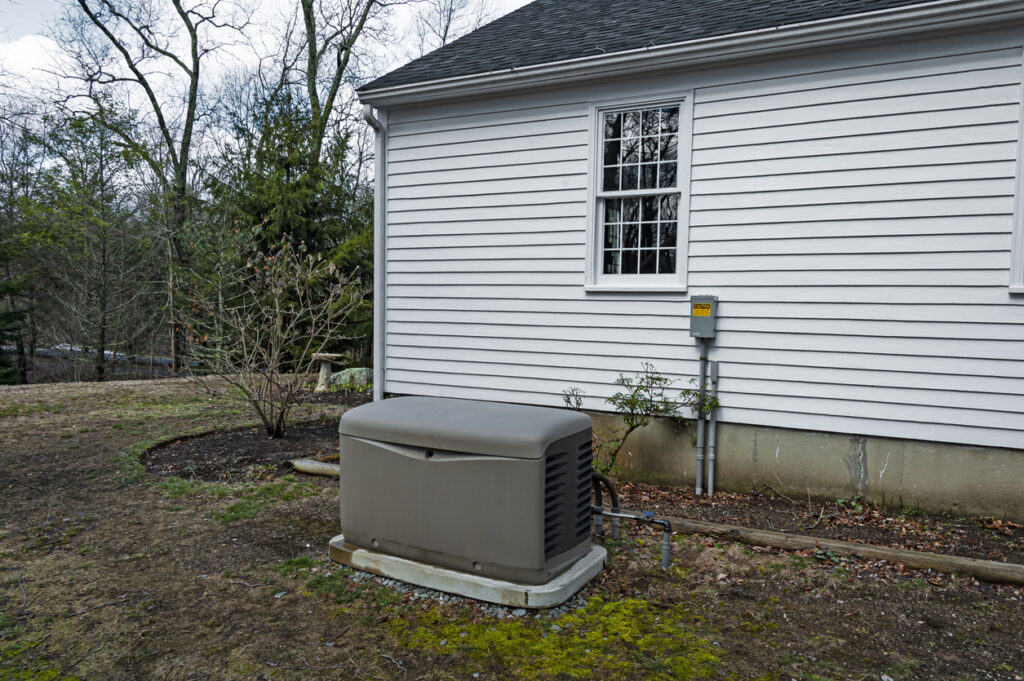
That transfer switch is what makes the system both automatic and safe—it prevents backfeeding electricity into utility lines, which could endanger linemen working to restore service. When power returns, the transfer switch reverses the process and shuts the generator down after a short cool-down cycle. Everything happens without anyone needing to be home.
Key Components
Every standby system has the same essential building blocks:
- Engine: Runs on natural gas, propane, or diesel, converting fuel into mechanical power.
- Alternator: Converts that mechanical power into electricity.
- Controller: The generator’s “brain” that monitors voltage, manages startup, and runs diagnostics.
- Automatic Transfer Switch (ATS): Routes power safely between the grid and generator.
- Fuel System: Supplies gas or diesel to the engine with proper pressure and flow.
- Enclosure and Base Pad: Protects the unit from weather and vibration.
While the technology varies by brand, all reputable systems operate under similar logic. What differs most is their power output, monitoring features, and how they integrate with your home’s existing electrical setup—something only a licensed electrician can determine.
Power Requirements & Sizing
How to Determine the Right Generator Size for Your Home
Generator capacity is measured in kilowatts (kW), and the right size depends entirely on what you expect it to power. A small home might only need enough capacity to keep the refrigerator, lights, and a few outlets running, while a larger house may need whole-home coverage including air conditioning, water heating, or well pumps. Undersizing leads to overloading; oversizing can waste fuel and increase installation costs unnecessarily.
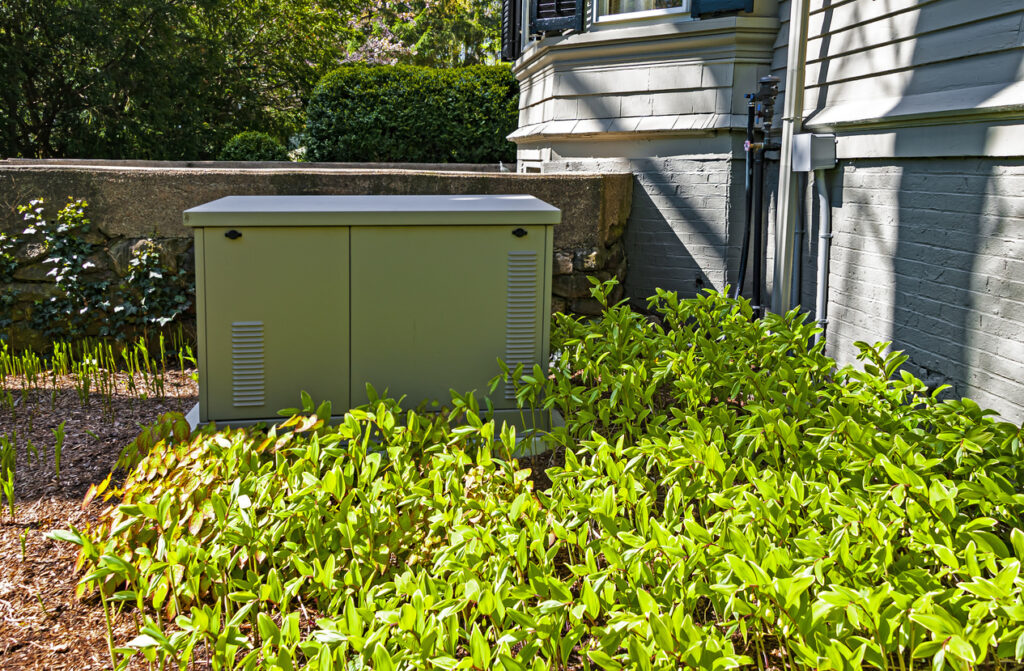
Electricians use load calculations to estimate the total wattage required for essential or whole-house operation. They’ll account for starting surges from appliances like HVAC compressors or sump pumps, which momentarily draw much higher current than their running wattage. Online calculators can give rough estimates, but only a licensed electrician can safely confirm which circuits should be covered and how to balance that load across the generator’s capacity.
Typical Ranges and What They Mean
Most home standby units fall between 10 kW and 26 kW:
- Around 10–14 kW: covers basic essentials—lighting, refrigerator, furnace blower, and a few outlets.
- 16–20 kW: enough for most medium-sized homes, possibly including one air-conditioning unit.
- 22–26 kW and up: supports whole-home operation, including HVAC, well pumps, and large appliances.
Those figures are guidelines only. Each home’s electrical demand, service panel rating, and wiring layout differ, which is why the electrician’s site visit is indispensable before any purchase.
Single-Phase vs Three-Phase Power
Nearly all residential homes run on single-phase power, which delivers the 120/240 volts used by everyday appliances. Three-phase power is typically reserved for commercial or light-industrial properties where heavy equipment is involved. The distinction matters when choosing a generator because units are built specifically for one type or the other. A licensed electrician can confirm your service type in seconds and make sure any standby generator you’re considering matches it exactly.
Fuel Options and Runtime Considerations
Propane, Natural Gas, and Diesel
Standby generators rely on one of three main fuels: propane, natural gas, or diesel. Each has trade-offs that matter for installation, maintenance, and long-term reliability.
Propane (LP Gas)
- Stored in a tank on-site, usually above or below ground.
- Clean-burning and stable—can sit unused for long periods without degrading.
- Ideal for rural areas without natural-gas lines.
- Requires periodic refill deliveries and tank inspections.
Natural Gas
- Piped directly from the utility, meaning there’s no refueling schedule to manage.
- Continuous supply eliminates most runtime limitations.
- Pressure can drop during large-scale outages or cold snaps, so correct pipe sizing and regulator setup are critical—tasks that fall to a licensed plumber or gas fitter working with your electrician.
Diesel
- More common in agricultural or commercial standby systems.
- High torque output and reliable cold-weather performance.
- Fuel must be rotated or treated to prevent microbial growth and varnishing.
- Requires a dedicated storage tank that meets environmental regulations.
Choosing between them isn’t only about preference—it’s about what infrastructure your property already supports. The electrician and fuel contractor should assess service availability, gas line capacity, and zoning restrictions before anyone orders equipment.
Estimating Runtime and Fuel Consumption
Runtime depends on load, generator efficiency, and fuel supply. A 20 kW propane unit might use roughly 2–3 gallons per hour under moderate load. A 500-gallon tank provides about 150–200 hours of runtime before refilling. Natural-gas systems can run indefinitely as long as the utility supply remains stable.
These numbers are only planning estimates. Your electrician or installer can calculate actual draw based on local fuel energy content and the connected load. It’s worth asking them to model both partial-load and full-load scenarios so you understand real-world endurance instead of brochure values.
Installation and Setup
What Installation Involves
Installing a standby generator is a coordinated construction project, not a plug-and-play purchase. The main steps typically include:
- Site Evaluation and Permitting – A licensed electrician reviews your service panel, grounding system, and gas availability, then handles permits required by local code.
- Pad and Placement – The unit must sit on a level concrete or composite pad with adequate drainage. Most jurisdictions require specific clearance from doors, windows, and vents for exhaust safety.
- Electrical Integration – The electrician installs conduit, wiring, and the automatic transfer switch (ATS). They’ll ensure wire gauges, breaker ratings, and bonding meet the National Electrical Code (NEC).
- Fuel Connection – A plumber or gas contractor connects the fuel line, sets regulators, and pressure-tests fittings.
- Startup and Inspection – Once both trades sign off, the system is test-run and inspected by the local authority having jurisdiction (AHJ).
Attempting any of these steps without a license can create shock, fire, or gas-leak hazards and will void most warranties. The electrician oversees the coordination so the electrical and fuel systems operate safely together.
Placement and Environmental Factors
Location affects both performance and compliance. Generators typically must have:
- A minimum number of feet clearance from openings where exhaust could enter the home (requirements vary).
- Solid ground or pad above flood level.
- Adequate airflow around the enclosure to prevent overheating.
- Sound levels within municipal noise limits if placed near property lines.
The electrician can coordinate with local inspectors to confirm exact clearances before the pad is poured—saving costly relocation later.
Transfer Switches
Automatic
The automatic transfer switch (ATS) is what makes the entire system functional and safe. Installed between your home’s main panel and the incoming utility feed, it constantly senses line voltage.
- When power fails, it disconnects the home from the grid and connects it to the generator.
- When utility service returns, it reverses the process and brings the home back online.
An automatic transfer switch is the hallmark of a true “standby generator system”: seamless, unattended operation. These switches come in several configurations—whole-house, select-circuit, and service-disconnect integrated models. Only a licensed electrician should specify which one suits your electrical setup and load calculations. Incorrect installation can backfeed voltage into utility lines, posing serious safety risks.
Manual transfer switches (MTS) require someone to be present to start the generator and flip the switch. They’re commonly used with portable generators (like the one pictured below) or smaller battery backup units and commonly only power a handful of circuits (i.e. 4 to 10) at once. These manual switching systems can still be perfectly safe if installed correctly by a licensed electrician. The key difference is convenience: manual systems demand homeowner involvement, while automatic ones do the work independently.
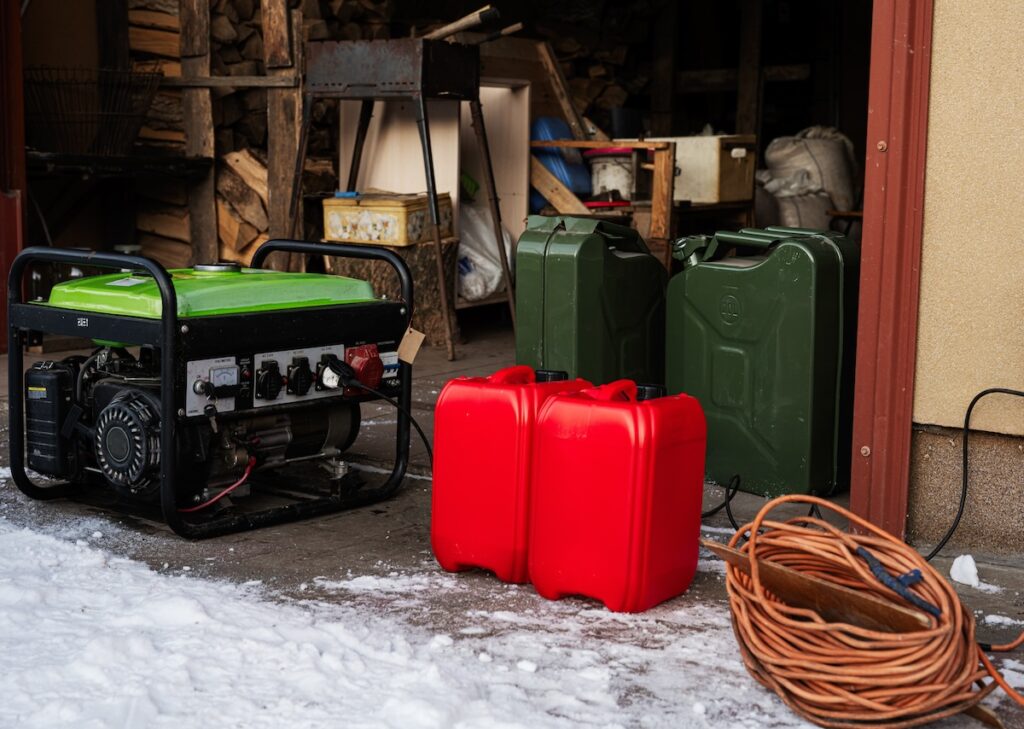
That distinction becomes important during real-world outages. Let’s take a look at a common real world example to illustrate why automatic transfer switches are typically a better solution than manual transfer switches:
Example Real World Scenario
Imagine a storm knocking out power overnight or while you’re away from home. With a manual setup, nothing turns on until someone physically starts the generator and transfers the load.
If the temperature drops below freezing, sump pumps or heating systems could sit idle for hours. In a prolonged outage, that gap can mean frozen pipes, flooded basements, or a refrigerator full of spoiled food before you even realize the power is out.
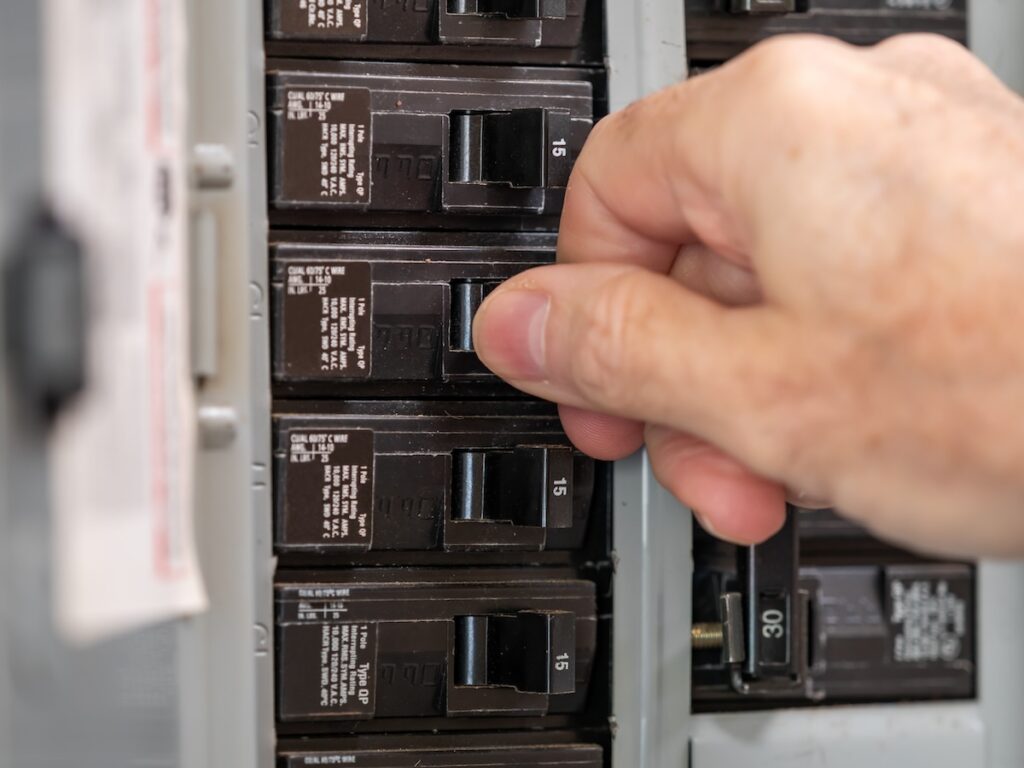
Automatic systems eliminate that delay. They detect the outage, start the generator within seconds, and keep essential systems running whether anyone’s home or not. It’s one of the main reasons most homeowners choose automatic standby generators once they’ve experienced an unexpected blackout.
Inspections and Code Compliance
Local authorities often require a rough-in inspection (before the trench or conduit is closed) and a final inspection before activation. Expect the electrician to coordinate both.
Some regions also require utility approval if the generator connects ahead of the meter. Compliance ensures not only legal operation but also that homeowner’s insurance remains valid in the event of an incident.
Ownership Considerations
Routine Maintenance
A standby generator is mechanical equipment—it needs routine care to stay ready. Most manufacturers recommend professional service once a year or after a set number of runtime hours, whichever comes first. Between those visits, the homeowner can handle basic checks, but all internal service work should be performed by a qualified technician or licensed electrician familiar with that brand.
A typical maintenance cycle includes:
- Oil and filter change
- Air filter and spark plug replacement
- Battery inspection and load test
- Visual check of fuel lines and fittings
- Test run under load to confirm transfer operation
Generators also run automatic exercise cycles, usually weekly, to keep the engine lubricated and battery charged. The unit starts itself for a few minutes—often at a pre-set time of day. Your installer can adjust that schedule to avoid unnecessary noise at night or during utility peak hours.
It’s smart to keep a maintenance log and schedule reminders just like you would for an HVAC system or vehicle. Some modern generators include built-in connectivity that alerts the owner or service dealer if a fault occurs or maintenance is due.
Preventive Care
Even with minimal use, standby systems experience wear over time. The most frequent service calls involve:
- Weak or discharged starter batteries
- Faulty sensors (oil pressure or temperature)
- Blocked air intakes
- Stale fuel in propane regulators or diesel tanks
Catching those issues early is far cheaper than facing a no-start during a blackout. Having an electrician perform a load-bank test every few years verifies that the generator can sustain its rated output under real electrical demand.
Warranty and Support
Reputable brands will often offer 5 year warranties on residential units, sometimes tiered between parts and labor. However, warranty coverage typically depends on proof of professional installation and regular maintenance.
Attempting to install or modify a standby generator without licensed trades will void the warranty and can create insurance complications later.
When comparing quotes, ask installers whether they’re factory-authorized for warranty service. It often simplifies future claims and ensures replacement parts are genuine.
Financial & Practical Benefits
A standby generator won’t necessarily increase appraised home value dollar-for-dollar, but it often strengthens resale appeal—especially in regions like the Greater Houston area that are prone to storms or rural areas with slower utility response times. Homeowners also cite indirect savings: avoiding food spoilage, preventing flooded basements from failed sump pumps, and maintaining comfort systems that prevent frozen pipes or mold.

Some insurance companies offer small premium discounts for professionally installed standby power systems, recognizing them as a home-safety improvement. Always confirm those details with your insurer before installation.
Rebates, Incentives, and Financing
Utilities and state energy offices occasionally offer rebates for standby or clean-fuel generators, though these programs vary widely. Financing plans through authorized dealers are common and can spread installation costs over time without third-party lenders.
Before signing any agreement, review:
- Exact interest or promotional terms
- Warranty coverage tied to dealer financing
- Maintenance plan requirements
A reputable electrician or dealer should be transparent about all of this upfront.
Choosing a Standby Generator Brand or Model
When comparing standby generators, the first thing most people notice is that a handful of manufacturers dominate the residential market—Generac, Kohler, Briggs & Stratton, and Cummins among them. On paper, many of their models share similar specifications, but there are practical differences that matter once you move from a brochure to an installation plan.
Brand preference often comes down to service accessibility more than raw specifications. The most reliable generator is the one you can get serviced quickly. When reviewing options, ask your electrician which brands have authorized technicians nearby. That conversation tends to carry more weight than online reviews because service availability varies by region.
Tip: It’s also wise to confirm that the installer you choose is experienced in installing the selected brand. That ensures firmware updates, diagnostic tools, and warranty procedures are all handled correctly.
Compared to Battery BackupSystems
Whole-home battery systems can cover short-term outages and operate quietly. The major trade-off is capacity. Even the largest home battery systems can, typically, handle only a few hours of heavy load before depletion. That’s enough to bridge common short blackouts, but not longer electrical outages, let alone multi-day power loss.
It’s technically possible to design a battery system that can ride through multi-day events, though doing so requires significant planning and investment. To maintain full household power, the system would need large-scale battery storage—often multiple units networked together—likely paired with a substantial solar array and smart load management. Even then, consistent performance depends on weather, generation output, and total consumption.
Because these devices are marketed as “home backup” solutions, it’s easy to assume they can power air conditioning, water heaters, or well pumps through a full-day outage. In reality, most are designed for lighter, short-duration use: lighting circuits, Wi-Fi routers, laptops, and refrigerators for a limited stretch. They excel as emergency stopgaps or for properties with frequent brief outages, but they’re not substitutes for an automatic standby system tied to a continuous fuel supply.

This isn’t a criticism of battery technology—but it’s important to match expectations to physics. Batteries are excellent at instant power delivery and quiet operation. Generators excel at sustained output, maintaining full electrical service when the grid stays down for hours or days instead of minutes.
Some homeowners combine the two technologies, using a battery to handle short interruptions and a standby generator for extended outages. This hybrid approach can allow the generator to run fewer hours, and it also creates redundancy in case one system fails. Integrating the two, however, requires careful coordination between trades. The electrician must ensure both systems communicate properly through transfer switches and load controllers, so that one doesn’t feed back into the other. This is advanced electrical work—something never to be improvised by the homeowner.
Smart Controls and Monitoring
Modern standby generators have evolved into connected systems. Through manufacturer apps or web dashboards, owners can check status, receive maintenance alerts, and even initiate test runs remotely. Many units log run hours and performance data that service technicians can review before arriving on-site. These conveniences don’t replace professional oversight, but they help identify issues early—low battery voltage, missed exercise cycles, or fault codes—before an outage exposes them.

Some generators can also integrate with smart-home platforms, automatically shedding nonessential loads to prioritize critical circuits when capacity is limited. Those features rely on accurate programming at installation. It’s another reason to work with an electrician who has experience setting up smart load management rather than treating it as a simple on/off system.
Safety, Regulations, and Compliance
Safety is where standby generators cross firmly into licensed-trade territory. A generator installation involves high-voltage wiring, gas plumbing, grounding, and exhaust management—each governed by local code. Every jurisdiction has specific requirements for clearances, setback distances, and disconnect locations. The electrician will handle electrical permits and coordinate with local inspectors, but homeowners should understand that shortcuts in this stage can lead to denied inspections, insurance issues, or even carbon monoxide hazards.
Carbon monoxide safety deserves particular attention. Generators must be installed outdoors, never in garages or enclosed spaces, and a sufficient number of feet from any window, vent, or opening where fumes could enter the home. Some newer models include built-in CO sensors that automatically shut down the unit if levels rise nearby, but placement remains critical. If the installer recommends relocating the pad a few extra feet away, it’s almost always to meet code or avoid a potential exhaust recirculation issue—not simply aesthetic preference.
Noise regulations also vary by municipality. While most modern enclosures are insulated and meet residential sound limits, checking local ordinances beforehand avoids surprises. If neighbors are close, the electrician can suggest strategic placement or shielding to reduce sound reflection.
Finally we arrive at grounding and bonding. Proper grounding ensures fault current travels safely to earth rather than through household wiring or metal piping. This is one of the most misunderstood aspects of generator installation and the reason self-installs so often fail inspection (when they are permitted by local regulations at all). The electrician will verify grounding electrode systems, bonding jumpers, and neutral isolation in accordance with the National Electrical Code and local amendments. Once inspected and approved, the homeowner can operate the generator with confidence that it’s not only functional but legally compliant.
Conclusion
/
When installed correctly by licensed professionals, a home standby generator becomes a seamless extension of your electrical system, ready to take over the moment power fails. The key is not rushing the decision. Involve an electrician early, confirm fuel supply and service access, and treat the system as a long-term asset that deserves proper planning.
If you decide to move forward, start with a site evaluation and a load assessment from a licensed installer. That’s where the process becomes real—matching your home’s needs to the right technology and ensuring every connection, circuit, and safety measure is done the right way from the start.