

Houston’s electrical grid doesn’t play favorites. Between Gulf storms, summer surges, and hurricane outages, anyone who’s lived here long enough knows that reliable backup power isn’t a luxury anymore, it’s pretty much survival gear. You can feel that tension when the sky turns gray and the wind shifts, wondering if this is going to be one of those nights where the lights stay out for hours.
But installing a generator the optimal way takes way more than just buying a unit and calling an electrician. It takes someone who knows Houston’s codes, flood zones, and power demands. The best installers can look at a property and quickly spot the small things that matter—like where the runoff pools after a heavy rain, or how your service panel was wired back when half the neighborhood still had aluminum conductors.
That’s when you call in the folks who do this for a living—professional generator installers right here in Houston. They bridge the gap between the dream of “whole-home backup power” and the messy reality of clay soil, gas pressure drops, and unpredictable weather that defines this city. And when the grid goes down and your generator hums to life, it feels like money well spent.

An experienced installer should consider a wide variety of things, from load calculations to natural gas pressure and transfer switch sizing. They understand the quirks of local permitting and can tell you which generators can safely run during high humidity without corroding critical components.
Why Professional Installation is Important
A generator isn’t plug-and-play. Correct installation ensures your system engages automatically, powers essential circuits first, and meets city inspection standards. Houston installers typically:
- Perform load assessments to size your generator’s capacity precisely (oversized units waste fuel, undersized ones fail under load).
- Manage permitting through CenterPoint Energy and city authorities.
- Install automatic transfer switches (ATS) that detect outages within seconds.
- Tie into natural gas or propane lines safely, following Texas gas codes.
- Test and commission the system under simulated outage conditions before handoff.
That precision is what separates a dependable setup from a weekend-warrior project that fails when you need it most. You can tell when a system’s been installed by someone who actually thought through the details—clean conduit runs, tight pad alignment, the generator starting with that confident low rumble instead of sputtering. It’s the kind of craftsmanship you don’t necessarily think about again until the next storm hits H-Town, and the lights stay on like nothing happened.
What Are Your Generator Options?

When Houston homeowners search for generator installers, they’re often deciding between standby and portable systems. Portable generators, like the one pictured above, are budget options for limited backup power. They’re handy for very short outages/keeping a couple essentials running for short periods.
However, an electrician can install a manual transfer switch so homeowners can safely connect them to some circuits without backfeeding the grid. It’s a small upgrade that turns a basic generator into a more controlled setup—and keeps you from wrestling with extension cords every time the lights flicker. That said, after a few fuel refills in 102-degree heat, most people start thinking about something permanent.
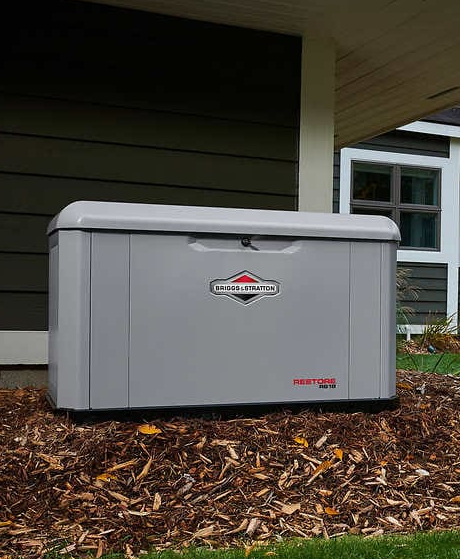
Professional installers tend to specialize in whole-home standby generators (like the one pictured above)—units from brands like Generac, Kohler, or Briggs & Stratton that automatically power on when the grid fails. You may have heard that low hum in a neighbor’s yard during an outage—it’s the sound of someone who decided they were done waiting on CenterPoint to get around to their block. Once you’ve gone through one of those nights with candles and melting freezer food, the idea of a self-starting generator starts to sound better and better.
Whole home backup systems require:
- Concrete pad placement above flood-plain level (a must for many Houston neighborhoods).
- Permanent fuel connection (i.e. natural gas or propane).
- Dedicated electrical interlock and city inspection.
Those whole-home setups are on a different level. You don’t drag them out, you don’t worry about gas cans, and you don’t have to babysit them when the storm’s right on top of you. They just work. Many Texan homeowners who get one end up wondering why they didn’t do it years earlier.
It’s the kind of backup power system that, once installed, just becomes part of the house—like the A/C unit or the water heater. You almost forget it’s there until the power drops and that generator wakes up faster than you can grab a flashlight.
Once everything’s in and signed off, you’ve got a setup that handles itself—keeping your freezer cold, your sump pump running, and your nerves intact while the rest of the street goes dark.
Local Expertise Can Make a Big Difference
Houston’s combination of coastal weather, heavy humidity, and clay-based soil makes it a unique market for generator installation. A local installer will know, for instance:
- Which neighborhoods are prone to gas-line pressure drops during high demand.
- How to anchor pads to resist flooding and soil shift.
- When to spec corrosion-resistant enclosures for coastal exposure.
- How to coordinate installation timing around CenterPoint Energy scheduling windows.
In short, Houston experience isn’t optional—it’s insurance.
What to Expect During a Houston Generator Installation
Most installations follow a clear timeline:
- Consultation and Load Calculation – A technician reviews your electrical panel, fuel source, and energy priorities.
- Permitting and HOA Approval – The installer handles paperwork with the city and your neighborhood board.
- Pad Pouring and Electrical Prep – Groundwork and conduit runs are completed before generator delivery.
- Fuel Connection – Licensed gas fitters connect to your natural gas or propane supply.
- Final Installation and Testing – Your generator is started, load-tested, and registered for warranty coverage.
From start to finish, professional installers usually complete the process within 2–4 weeks, depending on permit turnaround and weather.
Choosing the Best Generator Installers for Your Home in Houston
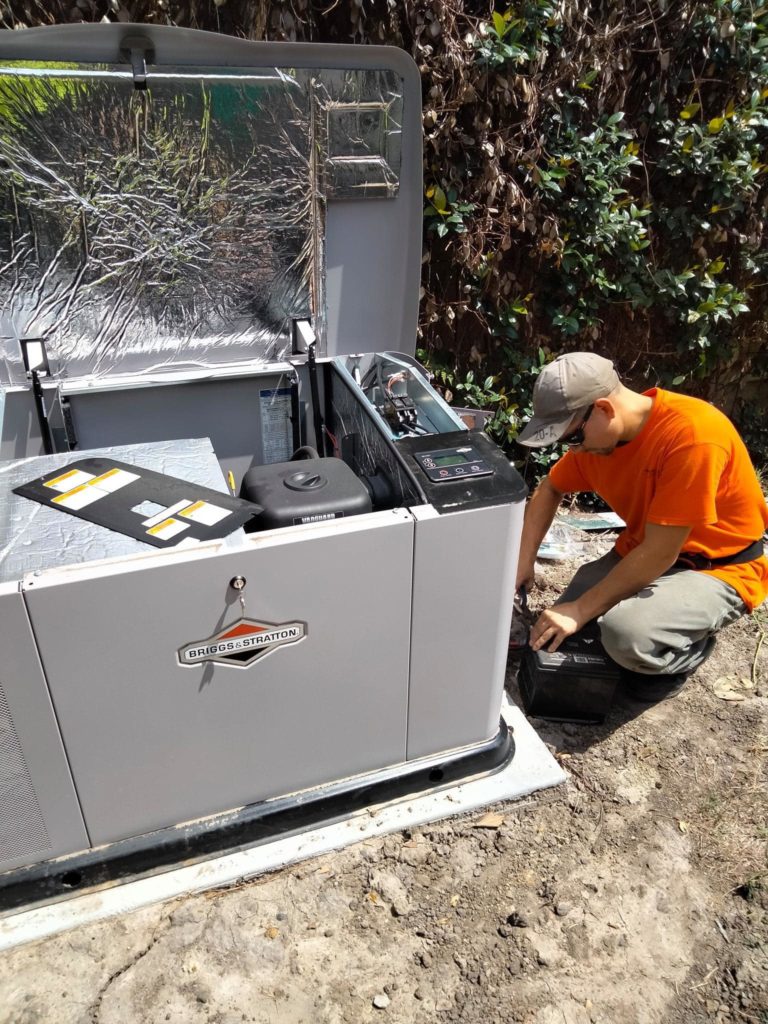
The soil type, elevation, and local utility behavior can differ sharply between Katy, Pearland, and The Woodlands. Those regional nuances matter for long-term generator reliability.
The most dependable generator installers in Houston take an engineer’s approach to planning. They assess not just your property’s electrical layout, but also the reliability of your fuel source, the expected load during peak usage, and how future expansion—like a new HVAC unit or electric vehicle charger—might affect demand.
A strong installer will document every stage of the process: drawings, permit filings, inspection logs, and final test data. This isn’t about red tape—it’s what keeps you from facing inspection delays or denied insurance claims later. In a city with strict post-storm inspection surges, organized documentation is its own form of protection.
Maintenance Fuel, and Long-Term Dependability
Once installed, a standby generator becomes part of your home’s infrastructure. Like any system, it performs best with routine checks. Most professional installers offer service plans that include inspection of oil levels, filter changes, electrical terminals, and automatic start testing.
Humidity and airborne salt near the Gulf accelerate corrosion in generator housings and contacts. Technicians in Houston typically recommend quarterly inspections during hurricane season and semi-annual testing the rest of the year. Even a few minutes of neglected moisture buildup can shorten the lifespan of control boards or gaskets.
A well-installed generator, paired with a consistent maintenance schedule, can deliver reliable power through years of severe weather cycles. When you find an installer who not only sets up the system but maintains it under the same service plan, you’re effectively building a single point of accountability—something that saves time when it counts.
The Value of a Purpose-Built Installation
Generators can fail for many reasons, but the majority of them probably stem from how they were originally installed. Undersized wiring, poor pad placement, or improper grounding can all cause big issues later, especially when it comes to heavy rain and dangerous lightning. Professional generator installers in Houston are familiar with these vulnerabilities and build redundancy into their systems.
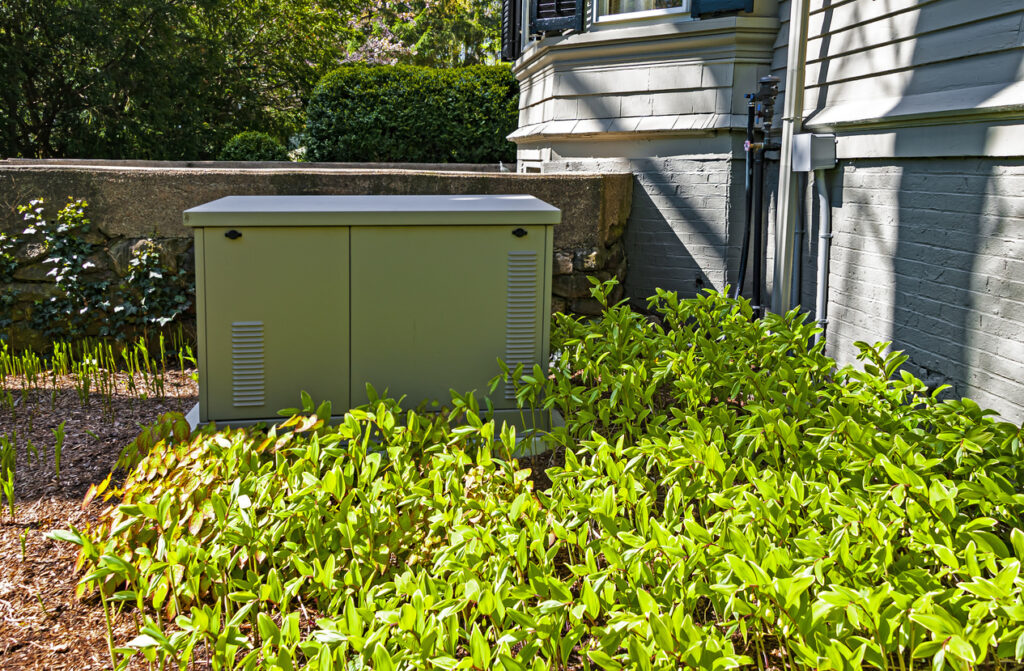
While the initial setup may take coordination between electricians, gas contractors, and inspectors, the payoff is a system that starts when it should—without hesitation or risk.
Some use moisture-sealed conduits, extended exhaust routing to minimize backflow, and enclosures rated for high salinity zones. Others specialize in smart integration, linking your generator to home monitoring apps so you can view run-time and maintenance alerts remotely.
Permits, Codes, and the Local Reality of Generator Installation
Installing a generator in Houston isn’t simply a matter of connecting wires and running gas lines. The process runs through local layers of regulation that exist for good reason—proximity to flood zones, volatile weather, and a sprawling mix of city and county jurisdictions.
Top professional generator installers in Houston are already familiar with these nuances. They know which neighborhoods sit below base flood elevation and require raised platforms or anchored enclosures, and which areas—like sections of Meyerland or along Buffalo Bayou—need additional clearance for drainage compliance. Experienced installers also know how to work around CenterPoint Energy scheduling, which can vary sharply between inner-loop properties and suburban developments outside Beltway 8.
Good installers communicate clearly through each phase: what’s required for permits, which inspections you’ll need to pass, and how long each step usually takes. They keep projects from stalling in paperwork purgatory—something that happens surprisingly often when homeowners hire out-of-town contractors who don’t understand local protocols.
Tips for Vetting a Houston Generator Installer
Credentials are important. Reputable installers are typically licensed electricians with additional certifications specific to standby power systems. But licensing alone doesn’t guarantee quality—you’re looking for verifiable experience in generator installation specifically, not just general electrical work.
Ask for a breakdown of the last several installs they’ve completed in Houston or the surrounding counties. Look for familiarity with natural gas routing and the ability to coordinate with plumbing contractors, since most systems connect directly to municipal gas.
References and reviews still tell the story best. When someone has installed dozens of units in Cypress or Sugar Land and can explain why they adjusted pad height or ventilation in each case, that’s the kind of contextual expertise you can’t fake.
Also, consider how they handle follow-up support. Many reliable installers in the region keep service trucks on rotation after major storms to check on previous installations. That availability, even years after the initial job, is worth far more than a low upfront quote.
Final Testing and Commissioning
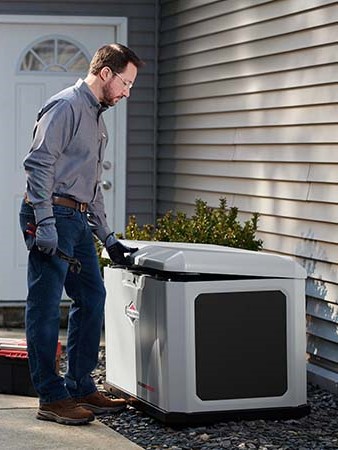
Once the generator’s mounted, connected, and cleared by inspectors, the best installers won’t just start it and leave. They’ll run a full systems check—verifying the automatic transfer switch engages correctly, monitoring voltage under simulated load, and ensuring the generator starts cleanly during a power interruption.
In Houston, where outages can stretch beyond a few hours, it’s common to calibrate systems to prioritize essential loads—HVAC, refrigeration, lighting, sump pumps—while leaving high-draw appliances on manual or staggered start sequences. This is one of those small but critical details that separates a routine install from one that performs flawlessly during a week-long grid failure.
Good installers document metrics during that test, then walk you through how to perform basic self-checks before the next inspection cycle. It’s this final step—training, documentation, and transparency—that distinguishes genuine professionals from one-and-done contractors.