
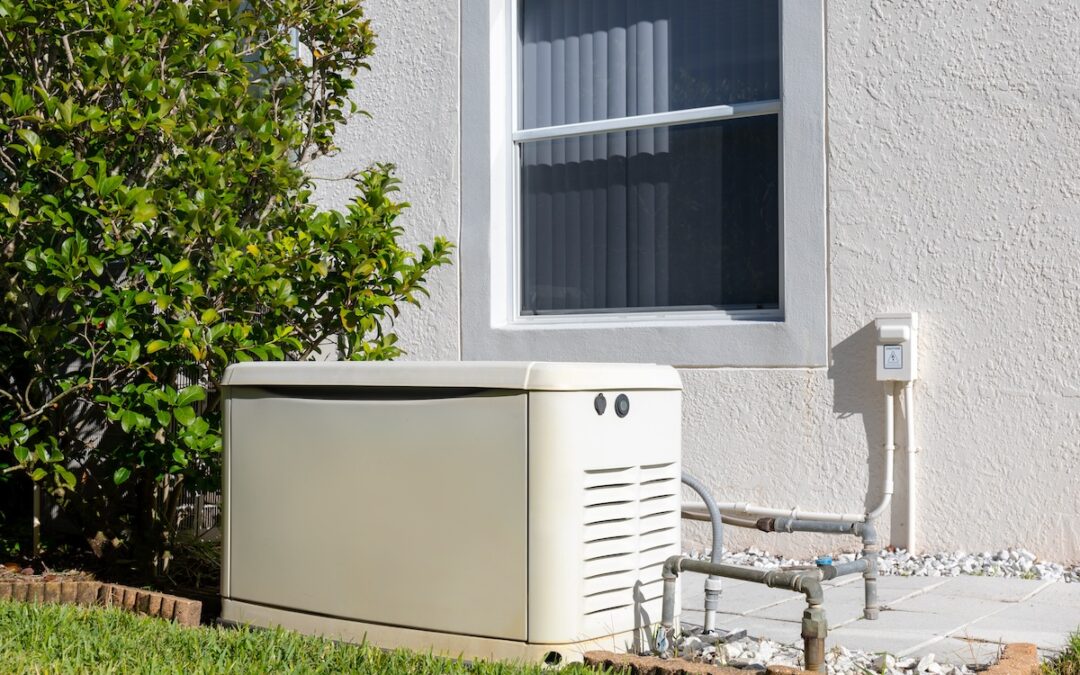
Whether you’re bracing for spring storms, ice on the lines, or just tired of resetting every clock in the house, it pays to know what kind of generator you’re dealing with—or thinking about installing.
The terms “standby” and “backup” get tossed around a lot, and sometimes they’re even used interchangeably. In particular, the term “backup generator” gets used loosely—it could mean anything from a portable unit in your garage to a fully automated standby system hardwired into your panel. But in this context, a standby generator is a specific type of backup system: permanent, automatic, and ready to take over the second the grid fails. Not all backups are standbys—but all standbys are backups.
The key difference comes down to automation, power capacity, and what kind of long-term reliability you need.
Quick Info (TL;DR)
- A standby generator is a permanent, automatic power system that starts on its own and can run an entire home during an outage.
- A backup generator (portable generator) is a manual, temporary power source that requires setup, refueling, and extension cords or a manual transfer switch.
- Standby units typically use natural gas or propane for long, uninterrupted runtime; portable units run on gasoline and have limited capacity.
- Use an appropriately sized home standby generator for long outages or whole-home coverage, and a portable backup generator for short, basic emergency power needs.
What Is a Standby Generator?
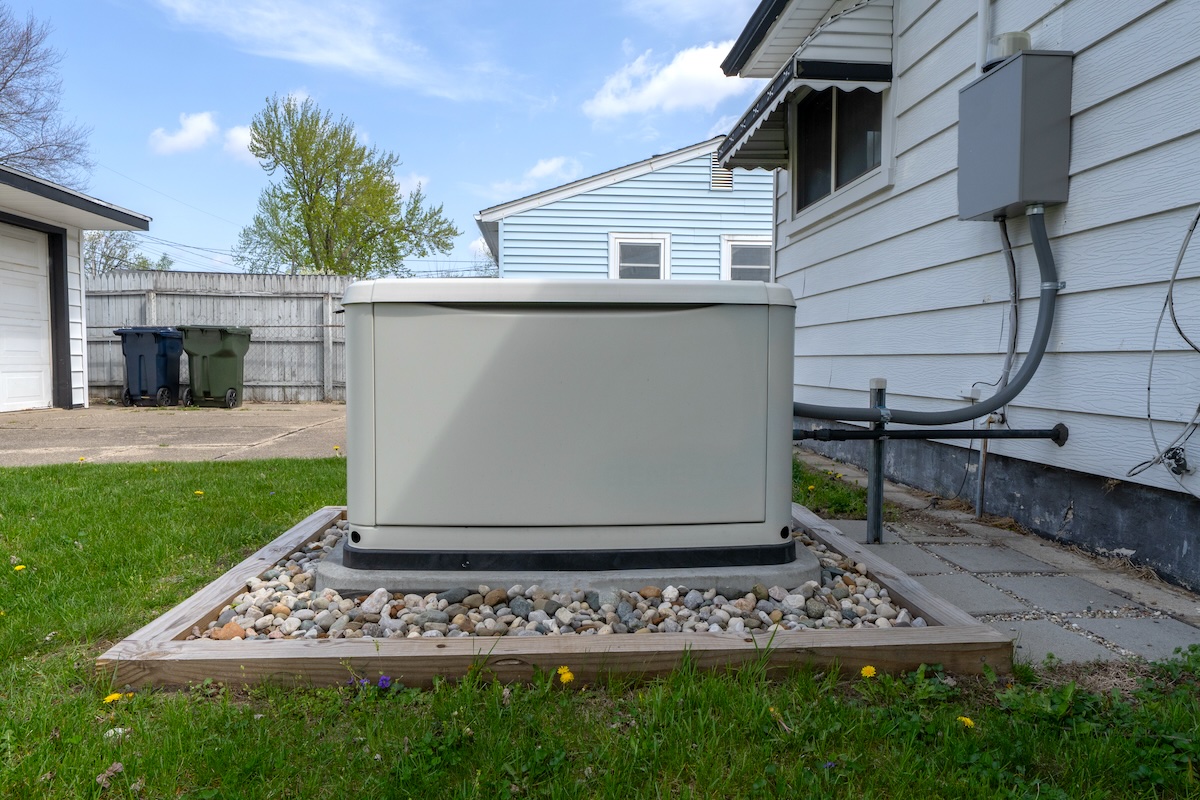
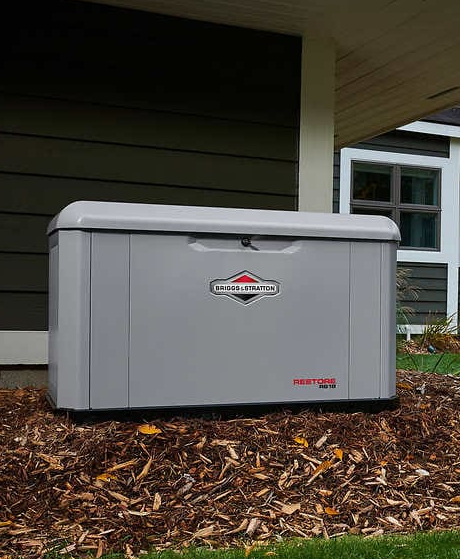
A standby generator is a permanent fixture. Think of it like a furnace or a central AC unit—it gets professionally installed outside the house, wired into your electrical panel, and hard-plumbed into your natural gas or propane line. Once it’s in, you barely have to think about it. It monitors the utility grid automatically. If power drops, it kicks on within seconds. In real world outage terms, that means no extension cords, and no walking outside in a downpour with a gas can.
Standby generators generally come with an automatic transfer switch (ATS), which is what flips the system from utility to generator power and back again without you lifting a finger. That’s why hospitals, assisted living facilities, grocery stores, and big commercial operations rely on standby systems. But more and more, so do homeowners who want real protection when the grid goes down. These residential generators are sometimes called “whole home standby” or just “home standby” generators.”
Example Use Case
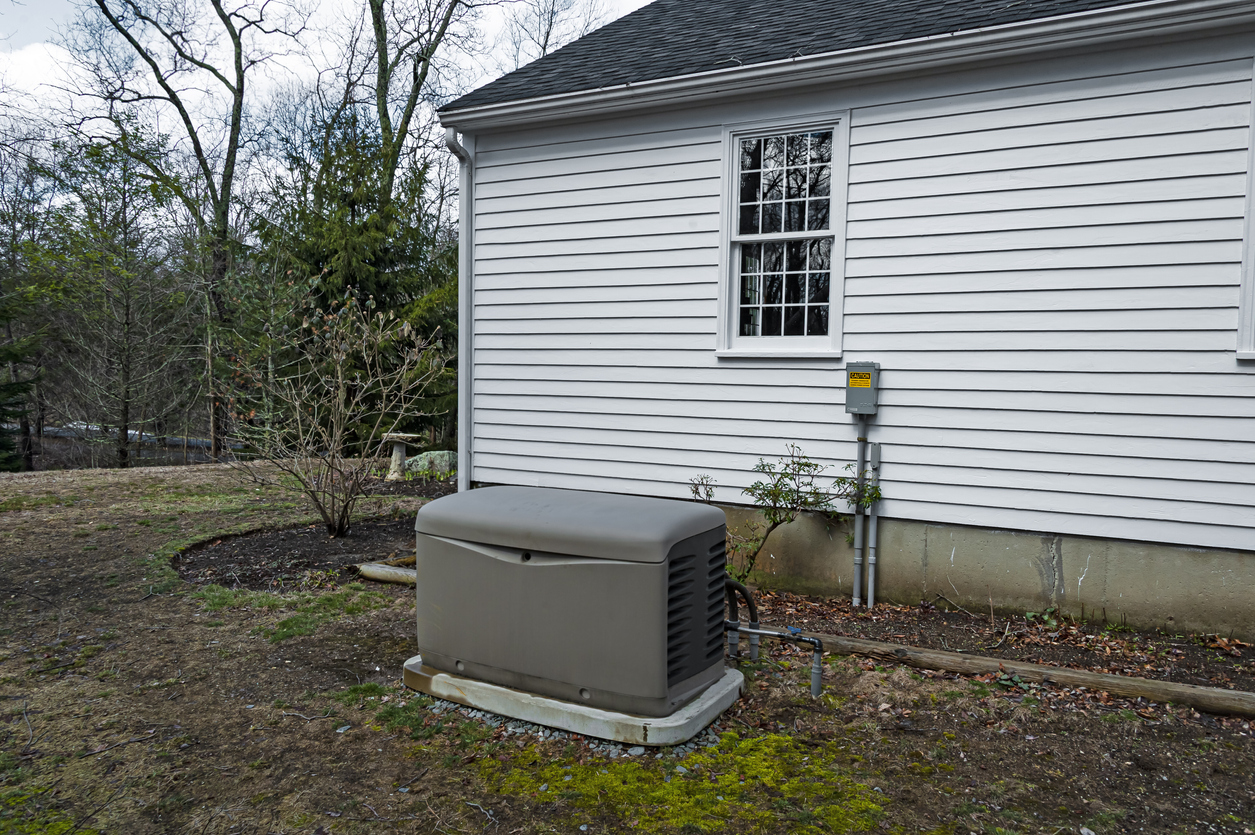
You’re in the middle of a January cold snap, and the lines go down in the middle of the night. A standby generator fires up within 10 seconds, powers the furnace, the fridge, the well pump, and whatever circuits you’ve set it up to handle—and continues running as long as it has fuel. You wake up warm and dry. No pipe bursts. No spoiled food. That’s the value.
What Does a Home Standby Generator Actually Do?
Here’s what you’re typically getting:
- Automatic activation through a transfer switch that starts the generator and transfers the load when utility power fails.
- Permanent outdoor installation with a hardwired connection to the electrical system, so no extension cords are involved.
- Capacity to power selected circuits or, if sized appropriately, the entire home, including fixed loads such as HVAC equipment, pumps, and refrigeration.
- Operation on natural gas or propane for uninterrupted fuel supply during extended outages.
- Optional scheduled exercise mode on many models to keep the battery charged and confirm system readiness.
- Long service life when maintained with routine oil changes, filter replacements, and inspections.
- Optional remote monitoring features on certain models that can report system status or faults.
Modern standby systems from brands like Generac, Kohler, or Briggs & Stratton typically run once a week for 10–12 minutes on a timer. This self-exercise mode helps keep everything lubricated and gives you a heads-up if there’s a fault before you actually need the system. Some newer models even have Wi-Fi alerts to your phone.
Maintenance & Longevity
A standby generator isn’t totally set-and-forget. You’ll want an annual service check—oil change, filter swap, load test, battery inspection. That’s usually done by your installer or a licensed electrician. It’s not as hands-on as a portable unit, but it’s not zero-maintenance either.
Here in places like Katy, Pearland, or down toward Galveston Bay, most homeowners choose to have their generator serviced ahead of hurricane season and again in the winter when the grid tends to strain.
You’re paying for that convenience—but it’s a long-term investment in resilience.
What Is a Backup Generator?
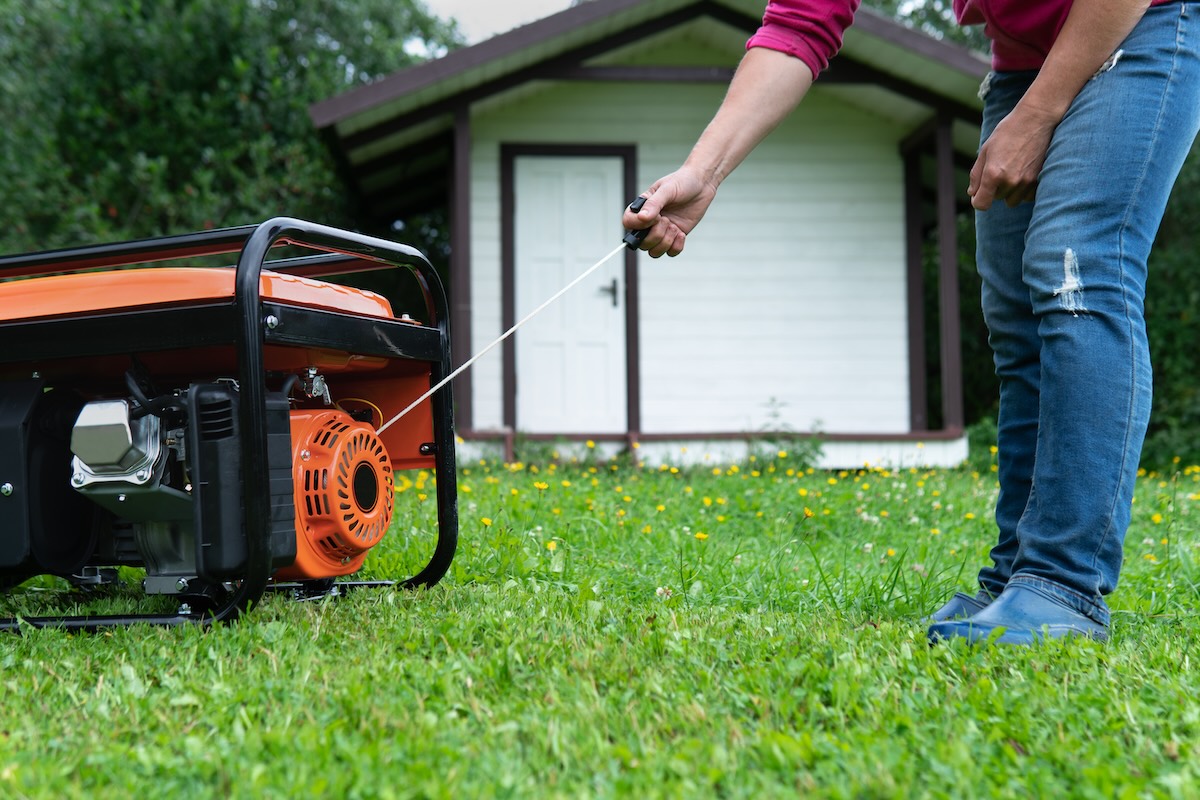
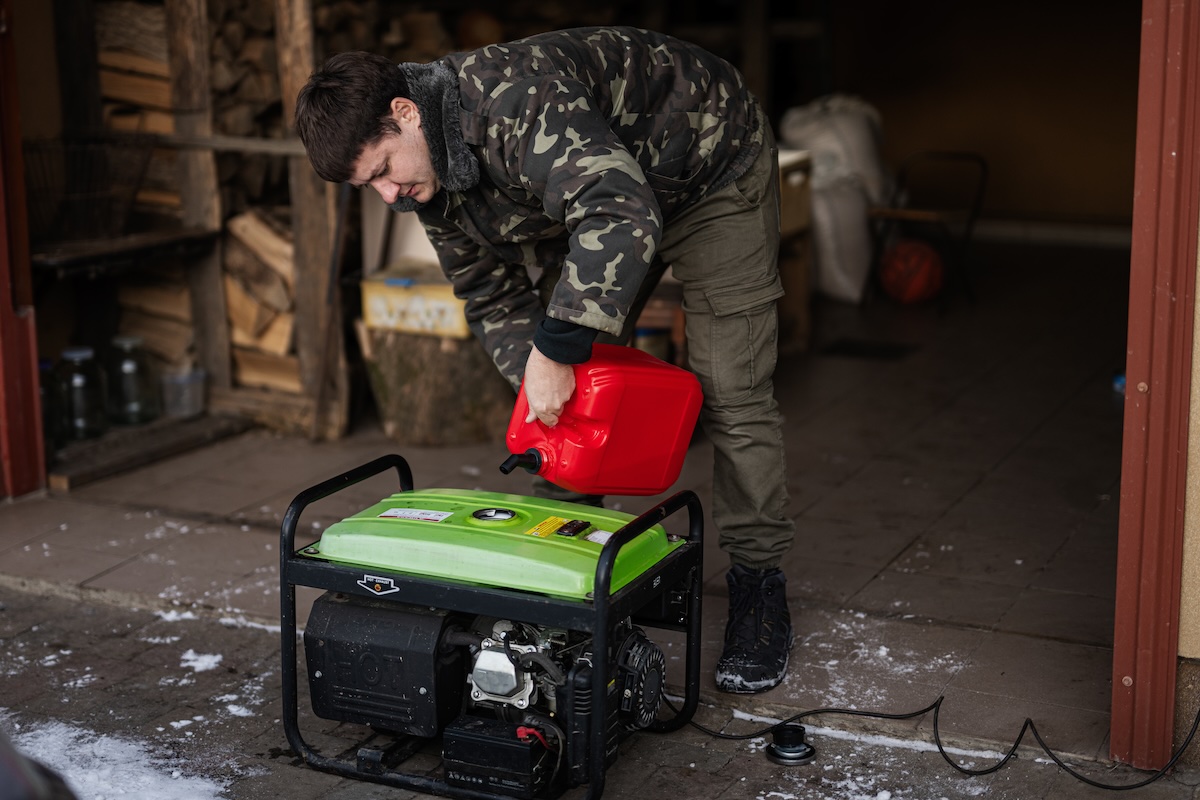
This is where the language gets messy. Technically, all generators are “backup” generators—but in this specific context, we’re talking about portable units. These are the wheeled, gasoline-powered models you pull out of the garage when the lights go out.
No automatic anything. You’ve got to wheel it into position, start the engine (pull cord or electric), and either:
- Plug appliances in manually with extension cords
- Or, plug into a professionally installed manual transfer switch (safer and faster)
Note that even with a transfer switch, many portable generators still can’t start a central HVAC compressor unless they are large enough or paired with a soft-start kit. So capacity is also a requirement, not just the switch.
Example Use Case
Let’s say it’s late summer in Houston and a tropical storm rolls in from the Gulf. You’ve got a portable generator in the garage and a 5-gallon gas can. The power goes out, and you want to keep the fridge and freezer running.
You haul the generator out, start it up, run 2 cords—one to the fridge, one to a floor lamp—and hope it keeps going until the grid comes back or you get more gas. It runs as long as the tank holds, and when the fuel drops, it has to be shut down and refilled before it can keep going again.
That setup can cover the basics, but as you can see, it depends on manual refueling, limited capacity, and being at home to do hands-on work as the outage drags on. If that’s all you need, great. But it’s not turnkey protection.
Pros & Cons of Portable Backup Generators
Pros
- Lower upfront cost ($500–$2,500 depending on wattage)
- Easier DIY setup (no professional install required for basic use)
- Portable – take it to a jobsite, tailgate, or campsite
- Can be used as emergency backup across multiple properties
Cons
- Manual start and manual refueling
- Limited run time (typically 8–12 hours per tank)
- Gasoline storage is a hassle (and a fire hazard if done wrong)
- Can’t run central HVAC or hardwired systems unless paired with a transfer switch
- Loud, smelly, and often needs stabilizer additives in the fuel
If you’re in an area like Midtown or The Heights where outages are short and rare, this might be all you need. But if you’re further out—say, in Cypress, Conroe, or any spot on well water or with unreliable service—portable units can fall short real fast.
Transfer Switches: The Middle Ground
If you’ve got a solid portable generator and want to upgrade its usability without springing for a full standby system, install a manual transfer switch. This is a panel that connects to your main electrical system and lets you backfeed power safely through selected circuits without running cords everywhere.
Tip: A lot of our customers around the Greater Houston area, Tomball, and unincorporated Harris County go this route—it’s less expensive than full standby and still gives you the ability to power lights, furnace blower, refrigerator, etc., without plugging everything in one by one.
It’s also far safer than attempting to backfeed through a dryer outlet (don’t do that) which is prohibited by electrical code and can energize utility lines unintentionally, creating a serious hazard for utility crews.
Price Breakdown: Standby vs. Backup
| Feature | Standby Generator | Backup (Portable) Generator |
| Cost (Unit + Install) | $$ – $$$ | $ |
| Fuel Type | Natural Gas / Propane | Gasoline (some diesel/dual-fuel) |
| Power Capacity | Whole-house or partial circuits | Limited appliances |
| Activation | Automatic | Must Activate Manually |
| Maintenance | Annual service | User-performed |
| Lifespan | 10–15+ years | 5–8 years (with upkeep) |
| Noise Level | Lower (insulated) | Louder |
| Transfer Switch | Automatic | Optional manual switch |
Which One Do You Need?
The choice usually becomes clear once you look at how outages happen here and what it takes to keep a home running when the grid drops.
- How long do your outages run in your part of town?
For example, here in Houston, some neighborhoods only see short blips. Others lose power for half a day during a spring storm, and certain pockets around Cypress, Tomball, and the Lake Houston area can go dark for multiple days after a Gulf system or a line fault. A standby generator is built for those longer, unpredictable outages where you need your house to function normally. - Do you have anything in the home that can’t go down?
If you rely on a CPAP, a medical device, a security system, a sump pump, a well pump, a refrigerator full of insulin, or even just an HVAC system that protects your home from heat damage, a portable generator leaves too many gaps. A standby system keeps those circuits powered automatically, without you needing to be home. - How much hands-on work do you realistically want to deal with during an outage?
Portable generators are fine for temporary needs, but they demand fuel runs, oil checks, extension cords, and a manual start in the dark when the rain is sideways. A standby generator avoids every one of those steps. It turns on, carries the load, and stays running on natural gas without any manual refueling. - Do you already have natural gas at your home?
Most of Houston does. That alone means standby systems can be more practical than dragging out a portable generator and refueling it. Home standby generators can tap into the existing gas line and provide uninterrupted fuel. Propane works too if you’re in an area without gas service, but for the majority of the metro, natural gas makes the install straightforward. (Note: Gas pressure, line sizing, distance from the meter, and local permitting rules can affect installs even in gas-rich areas, so it’s important to consult with a professional who can give you qualified information about your home’s specific standby generator install situation.) - Are you always home when outages happen?
If you travel, work long shifts, or have kids or pets at home alone during the day, a portable generator only helps if someone is there to start it. A standby generator handles the outage automatically, whether you’re across town or in another state.
Final Word
If you’re looking for a one-time emergency tool and you’re fine with some manual effort, a portable backup generator might be just what you need. Especially if you’re in an area with relatively stable infrastructure like Bellaire or even the West University area. But if you’re trying to protect your home, your comfort, and your investments—especially in areas with hurricanes, grid instability, or fragile rural service—a standby generator can be a great upgrade for your property.
FAQ
Q: How big of a standby generator does a typical home need?
Sizing depends on the combined load of the circuits you want covered. Many homes that include HVAC, refrigeration, lighting, and pumps end up in the 14–24 kW range. Homes with larger air conditioners or multiple systems may require more. A load calculation is the correct method, not square footage alone.
Q: How long can a standby generator run continuously?
A standby generator can operate for days as long as it has a steady natural gas or propane supply and receives proper maintenance intervals. Propane run time depends on tank size; natural gas systems aren’t limited by on-site storage.
Q: Can a portable generator damage a home’s electrical system?
It can if it’s connected improperly. Plugging a portable generator into a dryer outlet or any non-isolated circuit creates backfeed risks and bypasses overcurrent protection. A manual transfer switch prevents this by isolating the generator supply from the utility feed.
Q: Do standby generators require permits?
In most jurisdictions, yes. Electrical permitting is standard, and gas line modifications usually fall under plumbing or mechanical permits. Inspection ensures the installation meets code for clearances, wiring, gas supply, and grounding.
Q: Can a standby generator power central air conditioning?
Yes, as long as the unit is sized for the startup load of the compressor. Some systems benefit from a soft-start module to reduce inrush current, which allows a correctly sized standby generator to run the equipment without overload.
Q: Is there a difference between generator wattage and generator amperage?
Yes. Wattage describes total power output, while amperage reflects the current available at a given voltage. A generator may advertise watts, but the breaker on the unit limits usable amperage per outlet or circuit. Both ratings matter when matching a generator to a home’s loads.
Q: Do portable generators need to be grounded?
Some do and some don’t. Bonding and grounding requirements depend on whether the generator’s neutral is bonded to the frame and how it is connected to the home or appliances. When a manual transfer switch is used, grounding rules may differ from extension-cord-only use. The manual for the specific generator provides the correct bonding information.
Q: How loud are standby generators compared to portable generators?
Standby units typically operate inside a sound-dampened enclosure, and their noise levels fall in the 60–70 dB range at standard measurement distance. Portable generators vary widely and often run louder due to open-frame construction and higher engine RPM.